We invite you to share your pictures on this website.
Unlike many other Caribbean islands, Carriacou is not visited by mass tourism.
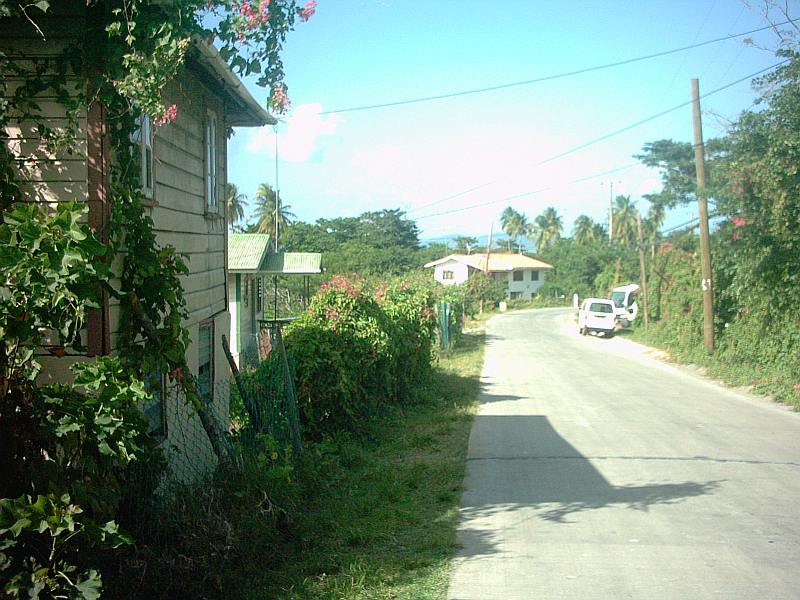
You will find the island attractive for the lack of tourist traps, with a friendly population.
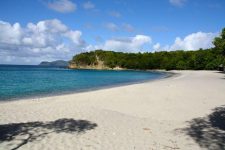
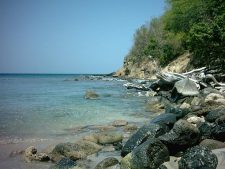
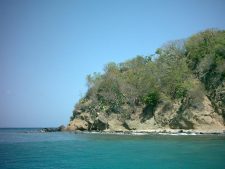
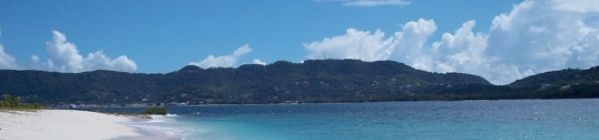
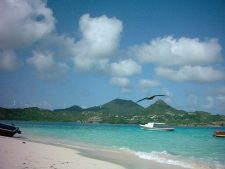
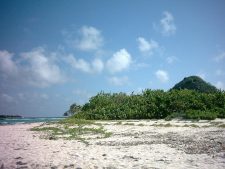
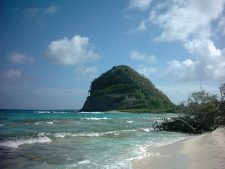
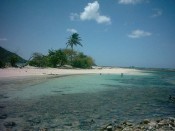
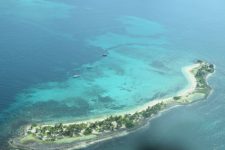
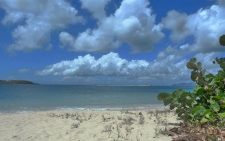
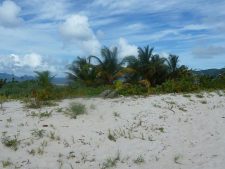
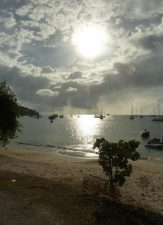
Picture perfect beaches and ideal conditions for hiking around the island.
The isle of reefs, Caribbean chilling at its best on Carriacou.
Discover the best beaches of Carriacou, diving and sailing in the Grenadines.
Cheap holidays and safe Caribbean vibes.
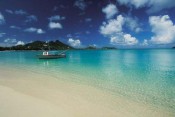
Quiet beaches and cristal clear waters.
Where can you find the diving operators and divesites around the island?
Find the best tour guides for tourism and discover the optional activities in the Grenadines.
Information about flights and the ferry between Grenada and Carriacou.
On Tripadvisor you can read a small list of activities which you can undertake on the island.
Grenada is a lot larger with many natural parks and waterfalls.
To
rent a car on Carriacou you will need a temporary driving licence.
This will be issued by the traffic police on the basis of your home country driving licence.
It costs EC$30.00 to obtain the temporary license.
Carriacou and Petit Martinique are part of Grenada.
PM – Carriacou and Grenada together form a country in the Grenadines.
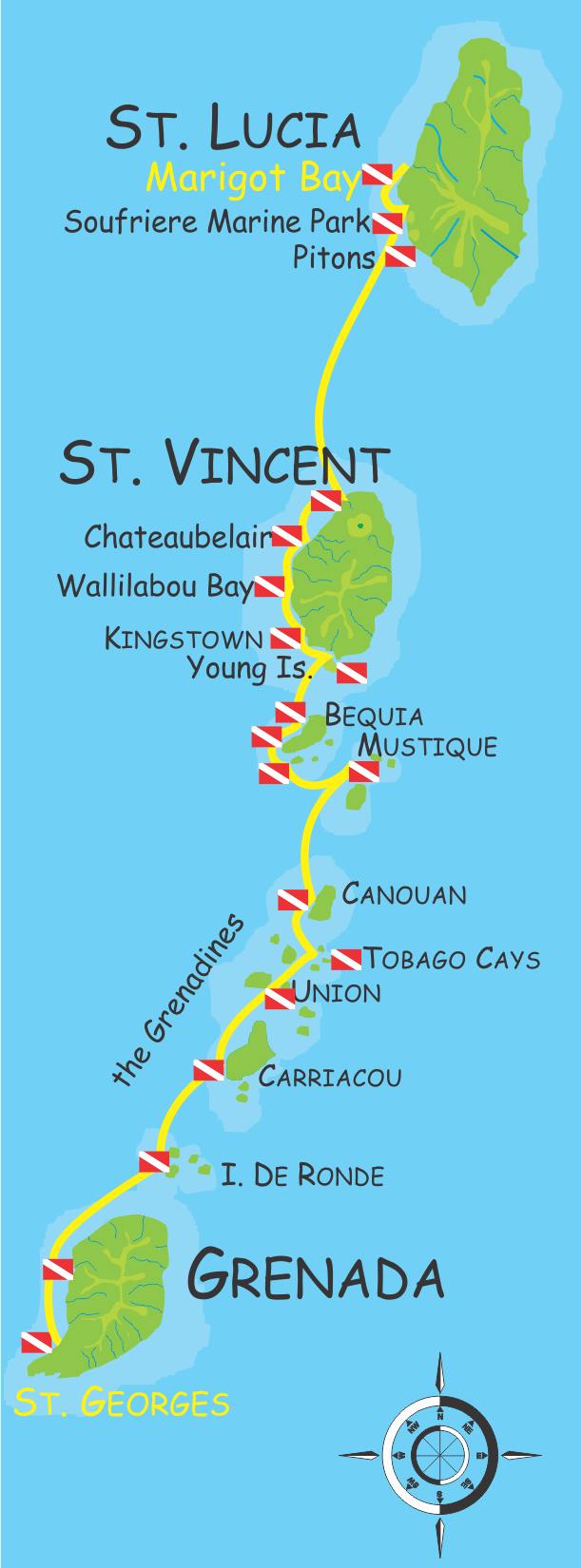
Saint Vincent is the most northern of the Grenadines and Carriacou is the most southern of the chain.
The Tobago Cays are a few miles north of Carriacou and Petit Martinique.
These islands are a world famous location for sailing, kite and windsurfing.
Check the weather map with wind conditions in the Grenadines and precicipations for today.
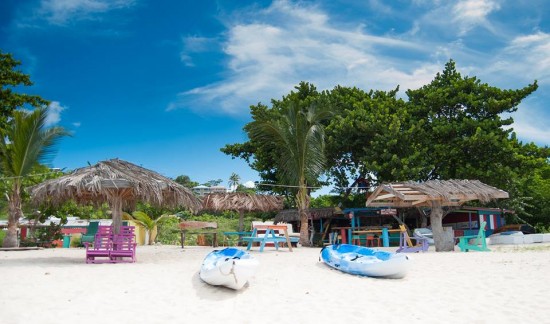
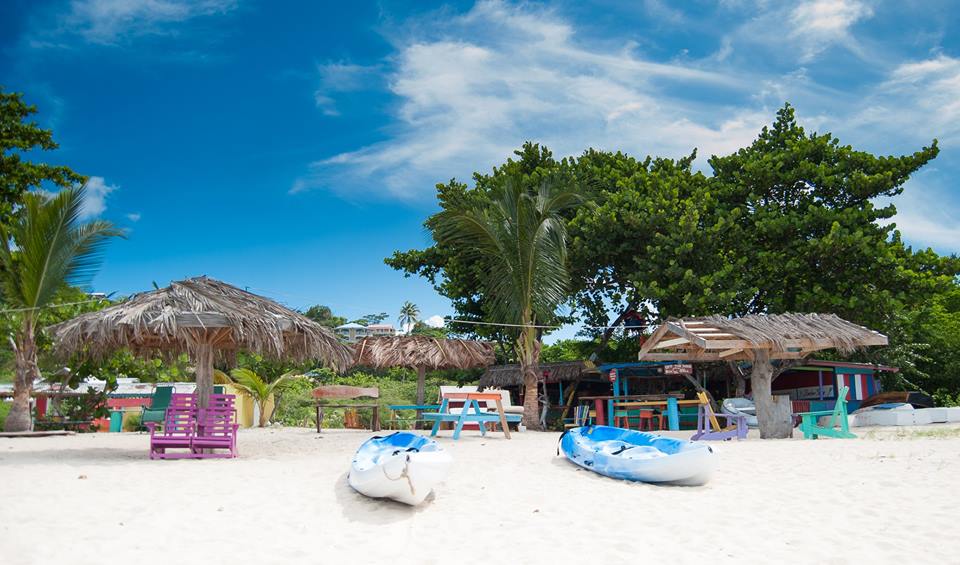
Off the hook – beach bar and restaurant on Paradise Beach – Carriacou.
Guide to the country Grenada, Carriacou and Petit Martinique.
Discover the best diving and sailing in the Grenadines.
Cheap holidays, homestays with hospitality, islands with safe Caribbean vibes.
The Grenadines are a chain of islands in the southern Caribbean.
These islands are a part of what is called ”The West Indies”.
Grenada is a small southern Caribbean country.
The largest island of the country is Grenada, Carriacou is a lot smaller and its neigbouring island Petit Martinique is an even more minute piece of land.
All three these islands are relative undiscovered by mass tourism.
Most visitors arrive on Grenada with a cruiseship, the largest amount of tourists tends to stay around Grand Anse beach on Grenada.
Only few foreigners make it to the somewhat remote islands Carriacou and Petit Martinique.
That is exactly what makes these islands so attractive for backpackers and the more adventurous tourists.
A typical scenario for visitors to Carriacou.
Mopion island.
Tourists on Grenada hear about the other islands and decide to go on a discovery trip of a few days.
The medium length of stay on Carriacou is around four days.
That is more then enough to see most of island but for many visitors a few days is not long enough.
Once you get used to the relaxed pace and island vibes it will be hard to leave again.